
The Origins of Gambling
The history of gambling can be traced back to ancient civilizations where games of chance were often interwoven with religious rituals and social gatherings. Archaeological evidence from ancient China reveals that rudimentary forms of gambling may have existed as far back as 3000 BC. Early games utilized simple tiles, which laid the groundwork for more complex gaming systems, such as the best online pokies nz that many enjoy today. The ancient Greeks and Romans also engaged in various forms of gambling, participating in dice games and placing bets during festivals and public events, illustrating how gambling became a significant part of community life.
In ancient Rome, gambling was not merely a pastime; it was a cultural phenomenon. Citizens frequently wagered on gladiatorial contests and chariot races, popular entertainment of the time. The Roman government recognized the importance of gambling, enacting regulations to control its excesses while allowing it to flourish. Similarly, the Greeks were passionate about dice games, which they played in social settings. These early gambling practices served as a bridge for community interaction and social bonding, emphasizing the integral role of chance in human society.
The invention of playing cards in the 9th century AD in China marked a transformative moment in the evolution of gambling. These cards quickly spread across Asia, eventually making their way to Europe, where they inspired a variety of card games that became staples in gambling establishments. The introduction of cards expanded the scope of gambling, allowing for more sophisticated betting options. As trade routes flourished, the exchange of games and gambling practices enriched the cultural landscape, paving the way for the establishment of more organized gambling venues that would eventually evolve into modern casinos.
The Rise of Formal Casinos
The establishment of the first official casino, the Palazzo Dandolo, in Venice in 1638 marked a significant transition from informal gambling to a more structured approach. This venue set a precedent for organized gaming, catering to the social elite of the time. The Renaissance period, characterized by renewed interest in leisure and culture, saw a boom in the popularity of casinos across Europe. These establishments became social hubs where individuals from various backgrounds mingled, engaging in games like baccarat and roulette amid luxurious surroundings.
As the 18th century unfolded, casinos proliferated, particularly in France, where the emergence of gaming houses became widespread. These venues were not only places for gambling but also cultural centers that hosted art, music, and fine dining. French gaming laws facilitated a more liberal gambling environment, attracting players from all corners of Europe and enhancing the social allure of casinos. The opulence and grandeur of these establishments elevated them to symbols of wealth and sophistication, appealing to the upper echelons of society.
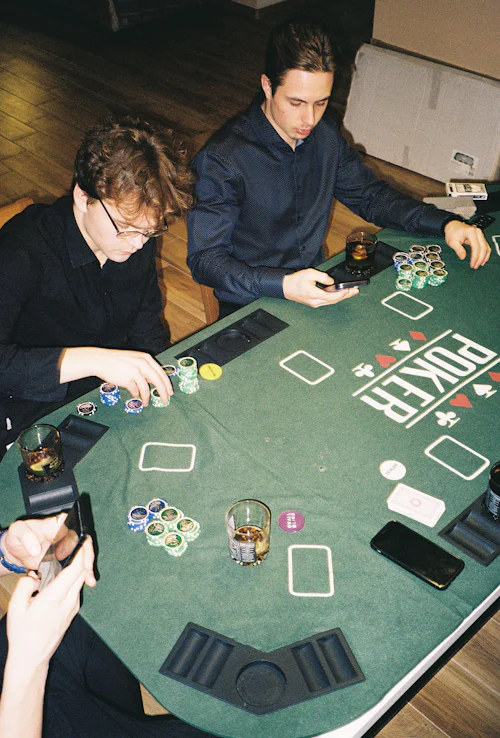
In the early 19th century, the American casino scene began to take shape, particularly in cities like New Orleans. Here, gambling was ingrained in the local culture, with the Mississippi River serving as a hub for steamboats equipped with onboard casinos. This development reflected a changing attitude towards gambling, transitioning from a vice to a legitimate form of entertainment. The groundwork for a regulated casino industry in the United States was laid during this period, highlighting the increasing acceptance of gambling as a popular recreational activity.
The Golden Age of Casinos
The 20th century marked a transformative period for casinos, with Las Vegas emerging as the epicenter of gambling in the United States. Following the legalization of gambling in Nevada in 1931, extravagant hotels and resorts began to rise, creating an unparalleled oasis of entertainment in the desert. The Flamingo, which opened in 1946, symbolized this shift, transforming casinos from simple gaming halls into lavish entertainment complexes that offered a wide range of amenities beyond gambling.
This golden age was significantly influenced by organized crime, which played a crucial role in financing and promoting various casinos. Notable figures like Bugsy Siegel were instrumental in the development of Las Vegas, ensuring its growth as a premier gambling destination. Although these connections were often controversial, they contributed to the mystique and allure of the city, attracting millions of visitors seeking excitement and escape from the ordinary. The glamour of Las Vegas became synonymous with the casino experience, drawing in crowds from around the globe.
As the casino landscape expanded, states like New Jersey followed suit by legalizing gambling in Atlantic City in 1976. This regional rivalry invigorated the market, increasing competition and driving innovation within the industry. The introduction of advanced gaming technology transformed how games were played, enabling a diverse selection of options ranging from traditional table games to modern electronic slots. This evolution made casinos more accessible to a broader audience, further solidifying their place as a staple of entertainment in America.
The Modern Casino Experience
In the 21st century, the casino landscape has continued to undergo significant changes, particularly with the rise of online gaming. The internet has revolutionized gambling, allowing players to engage in their favorite games from the comfort of their homes. Online casinos have surged in popularity, offering convenience and accessibility that traditional venues cannot match. With just a click, players can access a wide array of games, fundamentally altering the dynamics of gambling and pushing the industry into a new era.

Brick-and-mortar casinos have adapted to the digital age by incorporating advanced technology into their operations. Many establishments now feature mobile applications that enable players to place bets and manage their accounts directly from their smartphones. Additionally, the exploration of virtual reality and augmented reality promises to create immersive gaming experiences that blur the lines between physical and digital realms. These innovations showcase the industry’s commitment to enhancing player engagement and satisfaction, reflecting a forward-thinking approach to the evolving gambling landscape.
The social and cultural perceptions surrounding gambling have shifted dramatically, with more states and countries recognizing the economic benefits of legalized gambling. As an increasing number of jurisdictions opt to regulate and tax casinos, the industry has emerged as a crucial source of revenue. This evolution has sparked discussions about responsible gambling practices, emphasizing the importance of ensuring player safety and fostering a positive environment. The duality of gambling as both a form of entertainment and a potential source of harm is now more recognized than ever.
Understanding Today’s Casino Environment
Today’s casinos have transformed into multifaceted entertainment hubs, offering a variety of attractions beyond gaming. Modern establishments are designed to be more than just venues for gambling; they often feature fine dining, live performances, luxury accommodations, and vibrant nightlife. This diversification strategy aims to attract a wider audience, creating a comprehensive entertainment experience that caters to various tastes and preferences. By integrating lifestyle offerings into their business models, casinos enhance customer satisfaction and retention.
In addition to entertainment, casinos are increasingly focusing on responsible gaming initiatives, recognizing the need for ethical practices. Many establishments are implementing programs to promote awareness and provide support for individuals affected by gambling addiction. This shift reflects an understanding of the social implications of gambling and the industry’s commitment to fostering a safe environment for all patrons. Balancing entertainment with ethical considerations is now a fundamental aspect of modern casino operations.
As the casino landscape continues to evolve, it is fascinating to consider its future trajectory. With rapid advancements in technology, changing player preferences, and growing regulatory scrutiny, the future of gambling will likely be shaped by innovation and adaptability. Whether through enhanced gaming experiences or improved customer service practices, the casino industry is poised to thrive, reflecting the dynamic nature of recreation and entertainment in contemporary society. The evolution of casinos is a testament to their resilience and ability to adapt to the ever-changing world around them.