
The influence of psychological triggers in casino gambling decisions
The Role of Psychological Triggers in Gambling
Psychological triggers play a crucial role in influencing gambling decisions, as they tap into the emotional and cognitive aspects of human behavior. These triggers can manifest in various forms, such as the thrill of a potential win, the fear of missing out, or the social aspects of gambling. By understanding these psychological elements, casinos create environments that enhance the gaming experience, making it more enticing for players to engage in gambling activities. For an exceptional online experience, consider checking out Spinsahara.

One common trigger is the excitement associated with risk-taking. Gambling inherently involves risk, and the adrenaline rush that accompanies it can be addictive. Players often find themselves drawn to games that offer high stakes, believing that the potential rewards outweigh the risks. This thrill can overshadow rational decision-making, leading to impulsive choices that may not align with their financial limits.
Moreover, the concept of loss aversion plays a significant role in gambling behavior. Research shows that individuals are more motivated to avoid losses than to acquire gains. This psychological phenomenon can lead players to chase losses, making decisions based on emotional responses rather than logical reasoning. Consequently, understanding these triggers can help both players and operators create a more responsible gambling environment.
The Impact of Environmental Factors
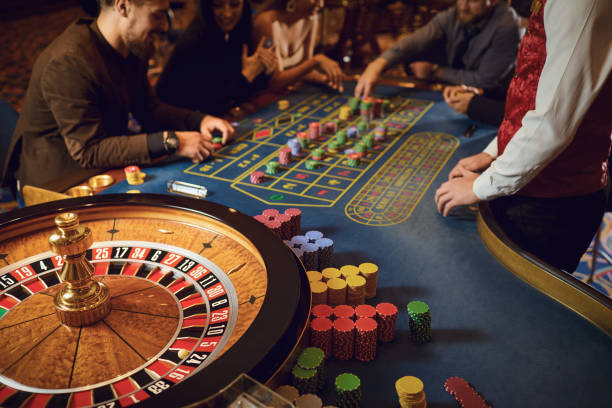
Casinos are meticulously designed to create an immersive experience that stimulates psychological triggers. The use of colors, sounds, and layout all contribute to maintaining a high-energy atmosphere. Bright lights and captivating sounds from slot machines can lead to heightened emotions, encouraging players to stay longer and spend more. This sensory overload keeps players engaged, often causing them to lose track of time and money.
Additionally, the layout of casino floors is strategically planned to maximize player exposure to various games. The placement of high-paying machines near entrances or within easy reach of popular gaming tables encourages players to engage more frequently. This environment is designed not just for entertainment but also to reinforce gambling behavior through constant stimulation of the senses.
Social factors also play a significant role in shaping gambling decisions. The presence of other players, cheering and celebrating wins, creates a sense of community that can be very appealing. This camaraderie can enhance the gaming experience, making individuals more likely to participate in games they might otherwise avoid. The collective excitement and energy can lead to spontaneous decisions, driving players to wager more than they initially planned.
The Influence of Incentives and Rewards
Incentives and rewards are powerful psychological triggers in the casino world. Casinos often offer enticing promotions, bonuses, and loyalty programs that encourage players to gamble more. These rewards create a sense of expectation and excitement, prompting players to return to the casino or gaming site. The idea of earning rewards for their play can lead to increased time spent gambling, as players aim to hit specific targets to unlock bonuses.
Moreover, the concept of intermittent reinforcement is particularly effective in gambling. Players receive rewards at unpredictable intervals, which keeps them engaged and motivated to continue playing. This uncertainty about when the next reward will come is a strong psychological driver. It feeds into the “near-miss” phenomenon, where players feel they are close to winning, encouraging them to keep gambling in hopes of finally hitting it big.
This relationship between rewards and gambling behavior is a double-edged sword. While incentives can enhance the gaming experience, they can also contribute to problematic gambling behaviors. Players may find themselves trapped in a cycle of chasing losses and seeking rewards, often leading to negative financial outcomes. This highlights the importance of understanding how these triggers impact decision-making and the necessity for responsible gambling practices.
The Role of Cognitive Biases
Cognitive biases significantly impact gambling decisions, often leading players to make irrational choices based on distorted thinking. One prominent bias is the illusion of control, where players believe they can influence outcomes in games of chance. This misconception can lead individuals to take greater risks, thinking they possess skills or strategies that can manipulate the odds, even in games like slots where outcomes are entirely random.
Another common bias is the gambler’s fallacy, where individuals assume that past outcomes will influence future results. For example, a player may believe that a slot machine is “due” for a payout after a series of losses. This belief can drive them to continue playing, often leading to significant losses. Understanding these biases is crucial for both players and casino operators, as they highlight the need for education and awareness in gambling environments.
Furthermore, confirmation bias leads players to remember and reinforce positive outcomes while ignoring losses. This selective memory can skew perceptions of gambling success, making it difficult for individuals to recognize harmful patterns in their behavior. By fostering a deeper understanding of cognitive biases, casinos can create strategies that promote responsible gambling practices and encourage healthier decision-making among players.
Conclusion: Embracing Responsible Gambling Practices
As the understanding of psychological triggers in casino gambling deepens, it becomes increasingly important for both players and operators to prioritize responsible gambling practices. By recognizing the emotional and cognitive influences at play, players can make more informed decisions and set clear boundaries for themselves. This self-awareness can enhance their gaming experience while minimizing the risks associated with problematic gambling behavior.
Operators, on the other hand, have a responsibility to create environments that foster healthy gambling habits. Implementing tools and resources that promote self-regulation, such as spending limits and time reminders, can help mitigate the negative impacts of psychological triggers. By prioritizing responsible gambling, casinos can cultivate a more sustainable and enjoyable atmosphere for all players.
At Spinsahara Casino, we are dedicated to providing a thrilling gaming experience while promoting responsible gambling practices. With a range of games and incentives, we encourage players to enjoy themselves while remaining mindful of their limits. Join us today to embark on your gaming adventure, equipped with the knowledge to make informed decisions and enjoy every moment responsibly.